Human Dispersal, Human Evolution, and the Sea
The Palaeolithic Seafaring Debate
Accessibility Tools


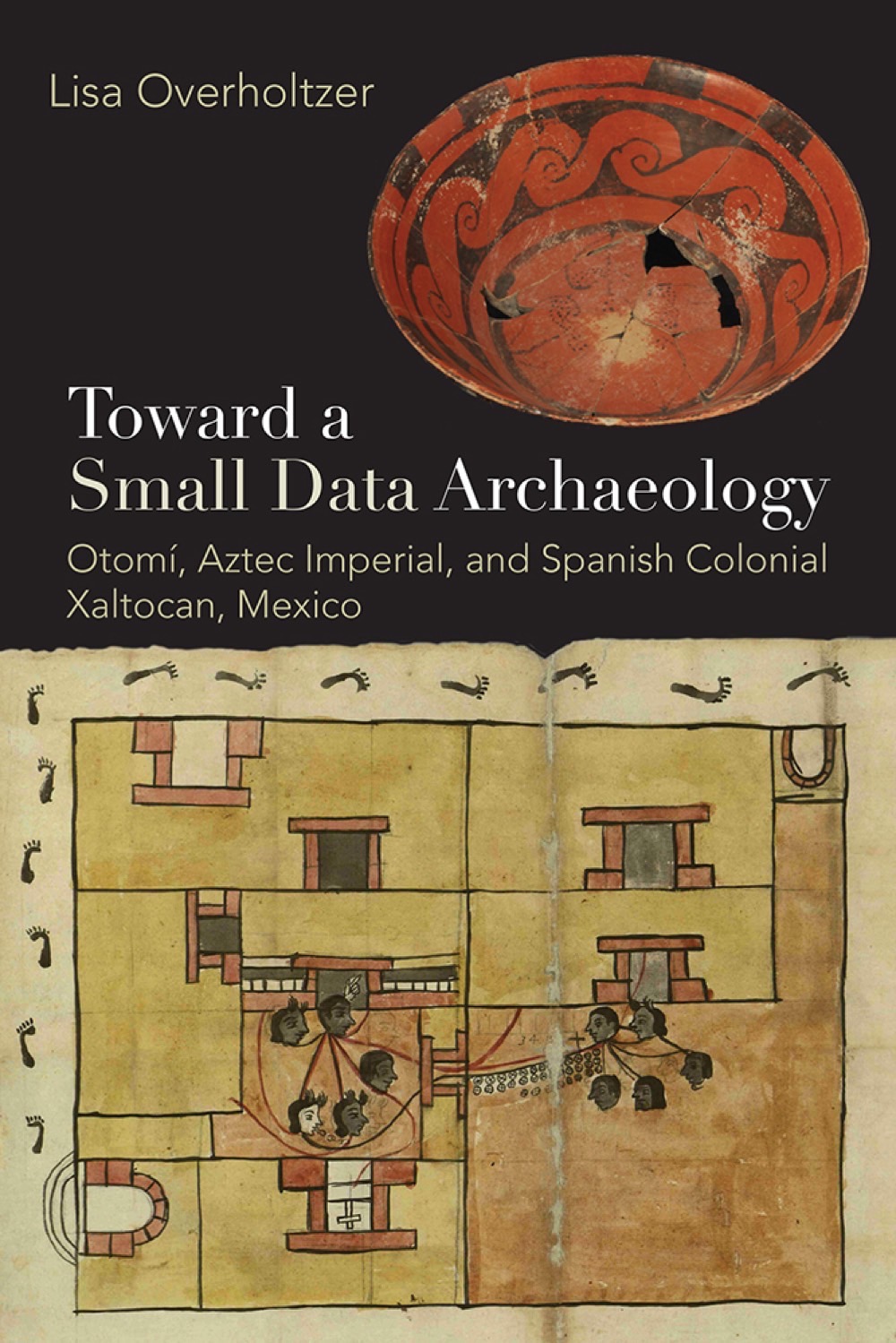
Otomí, Aztec Imperial, and Spanish Colonial Xaltocan, Mexico
“Overholtzer offers a counterbalance to the economic actor perspectives that have dominated market and related studies. . . . An important contribution to archaeology broadly, and especially for those working on Aztec, early Spanish Colonial, or related themes.”
—Marcie Venter, Murray State University
“Wonderfully written, carefully argued, and skillfully crafted. A joy to read.”
—John Millhauser, North Carolina State University
Toward a Small Data Archaeology presents an interpretive and methodological framework—a “small data” archaeology—elucidated through a case study at Xaltocan, Mexico. Aligned closely with Indigenous feminist principles by engaging directly with descendant communities that resist abstract, large-scale syntheses and instead emphasize deep, localized understanding of ancestral lives intertwined with their landscapes, this framework repositions archaeological inquiry by focusing on individual household contexts. Drawing on diverse lines of evidence from molecular archaeology and geochemistry to Bayesian statistics, Lisa Overholtzer uncovers the detailed social identities, economic practices, and ritual behaviors that defined everyday life in Xaltocan.
Xaltocan served as the Otomí city-state capital before being conquered by the Tepanecs, subsequently incorporated into the Aztec Empire, and finally integrated into the vast Spanish colonial sphere. In reconstructing long-term household histories that bridge the pre-Hispanic and early Colonial periods, this book resists narratives that define Indigenous peoples solely through the lens of conquest and subordination. Instead, it presents richly detailed reconstructions of familial relationships and social networks, achieved through the rigorous analysis of artifacts, ecofacts, human remains, and ancient DNA. This meticulous and community-collaborative approach not only maximizes insights available from a limited archaeological record but also honors the ethical imperative to work with descendant communities.
Toward a Small Data Archaeology offers an innovative reexamination of the past by privileging the intricate, household-level narratives of Indigenous communities over the homogenizing tendencies of broad-scale "big data" approaches. By peopling the past, Overholtzer redefines methodological boundaries within archaeology, produces reconstructions and narratives that are more in line with Indigenous philosophies, and offers a compelling vision for a future in which historical narratives are reconstructed through a lens that is both deeply scientific and inherently humane.


The Palaeolithic Seafaring Debate
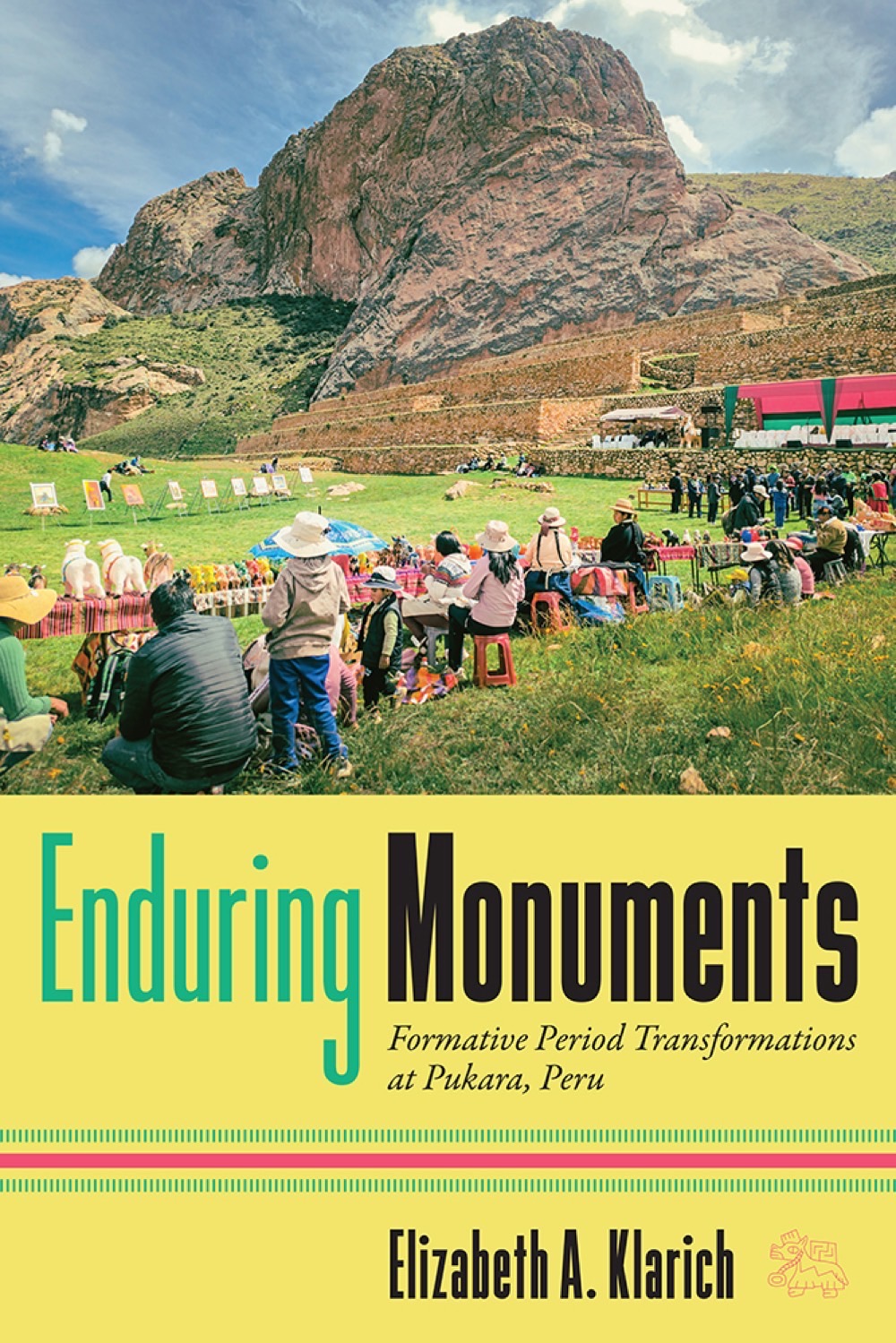
Formative Period Transformations at Pukara, Peru